A Gateway to Europe: What Irish Citizenship Can Unlock
Many Irish Americans don’t realize they can apply for Irish citizenship by descent if they have at least one grandparent born on the island of Ireland. Both the United States and Ireland permit dual citizenship, meaning an individual may hold both U.S. and Irish citizenship. An American who becomes a dual citizen of the Republic of Ireland is also an EU citizen. Under current EU rules, that status includes rights to live, work, and study in other member countries.
Map of the 27 European Union Member States
A Gateway to Europe
Many Irish Americans don’t realize that, under current Irish law, a person born outside the island of Ireland who has at least one grandparent born on the island of Ireland can become an Irish citizen through a process called Foreign Birth Registration.
Both the United States and Ireland permit dual citizenship, meaning an individual may hold both U.S. and Irish citizenship.
Furthermore, an American who becomes a dual citizen of the Republic of Ireland is also a European Union (EU) citizen. Under current EU rules, that status includes rights to live, work, and study in other member countries.
What Exactly is the European Union?
Let’s be clear about what this means: the European Union is a political and economic union of 27 European countries that share common rules and a single market. Irish citizenship is EU citizenship, with rights under EU law to live, work, and study throughout the European Union.
That means that if you become an Irish citizen, you would have the same core freedom of movement as other Irish and EU citizens. The possibilities are wide open.
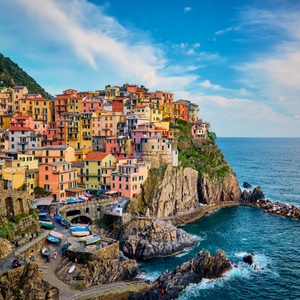
Here are a few examples: You could retire to a cottage in rural France. Spend winters in sunny Portugal. Start a business in Ireland. Work remotely on the Amalfi Coast of Italy.
You also don’t have to relocate permanently to see the value. Irish citizenship gives you the option to live, work, and study across the EU, if you ever choose to. But it also makes shorter term stays more flexible, as most Americans are limited to 90 days in any 180-day period.
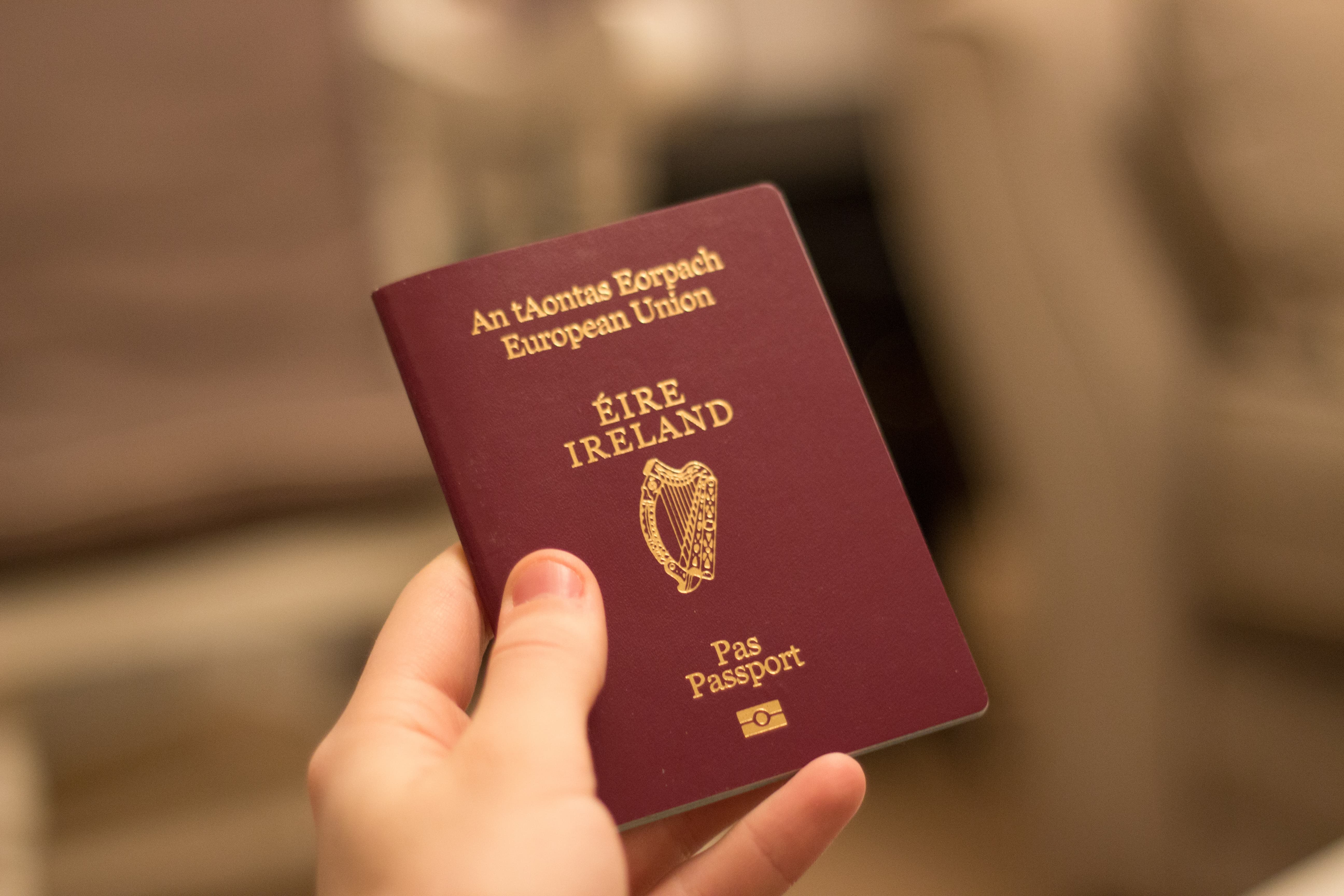
Looking beyond Europe, if you become an Irish citizen, you have the right to an Irish passport, which is widely viewed as a strong passport for international travel.
A special benefit of Irish citizenship is the right to live and work in the United Kingdom without a visa under the Common Travel Area (CTA) ⁵. Following the UK’s departure from the EU, this right is not automatically available to citizens of other EU countries.
Even if you feel certain right now that you have no interest in living in Europe or traveling there often, life and priorities change. Securing Irish citizenship means that if that day ever comes, the choice is already yours.
And even if you never use those practical advantages, becoming an Irish citizen can be a powerful way to honor your heritage and reconnect with your family’s Irish story. For many people, the process becomes a meaningful experience and can be genuinely fun along the way.
More Valuable Than a “Golden Visa”, Just Waiting To Be Claimed
Across Europe, many so-called “Golden Visa” programs are built around large financial commitments rather than ancestry.
Italy’s “Golden Visa” is a clear example. The country’s Investor Visa is a residency-by-investment program for non-EU nationals. One option requires at least €2 million in Italian government bonds, while another requires a €1 million philanthropic contribution to approved projects of public interest.
Spain used to offer a Golden Visa that gave residency to non-EU investors who bought at least €500,000 in Spanish property, but that real-estate route is now closed to new applicants.
Portugal’s Golden Visa was built around real-estate investments often in the €280,000 to €500,000 range or more, but those property options ended in 2023.
To put it simply, extraordinarily wealthy individuals around the world invest six or seven figures to obtain investor residence permits in select EU countries.
Yes, you read that right: people invest hundreds of thousands of euros, sometimes millions, for residency permits that offer fewer rights than EU citizenship. Mobility and optionality in Europe have real, tangible value.
Meanwhile, your Irish heritage could open the door to something more valuable than a residence permit: full citizenship of the Republic of Ireland, and with it, EU citizenship.
Applicants can become citizens of the Republic of Ireland through their Irish-born grandparent by successfully completing a process called the “Foreign Birth Registration”.
You Can Apply With One Grandparent Born on the Island of Ireland
Under current Irish law, someone who was born outside Ireland and has at least one grandparent born on the island of Ireland can become an Irish citizen-by-descent through Ireland’s Foreign Birth Registration process.
Here is a key detail to point out: Many people mistakenly assume that having a grandparent born in what is now Northern Ireland disqualifies them from this citizenship pathway.
The truth is, for citizenship-by-descent eligibility, the Irish government treats a grandparent born in what is now Northern Ireland exactly the same as a grandparent born anywhere else on the island of Ireland.
For example, if your grandmother was born in the year 1900 in Belfast, you can still apply through this pathway.
If your application is approved and your birth is entered in the “Foreign Births Register”, you officially become an Irish citizen from that day forward, and you can apply for an Irish passport.
You Can Still Apply Even If:
Your other three grandparents were not born in Ireland
Your grandparent was born in what is now Northern Ireland.
You have never been to Ireland
Your Irish grandparent passed away decades ago
You do not know much about your Irish heritage
One Irish-born grandparent is all you need to meet the family-connection requirement for this pathway. Under current Irish rules, that single family link can open a path to Irish citizenship-by-descent. And yes, most eligible Irish Americans have no idea this opportunity even exists.
As odd as it sounds, many Americans who do not immediately think of themselves as “Irish” may very well be able to apply.
That Italian American friend of yours? They could have three Italian grandparents, but if one grandparent was born on the island of Ireland, they can also pursue Irish citizenship-by-descent through Foreign Birth Registration and hopefully rediscover their connection to their heritage along the way.
Irish Spinner, County Galway Courtesy of the Library of Congress